



 By
By 
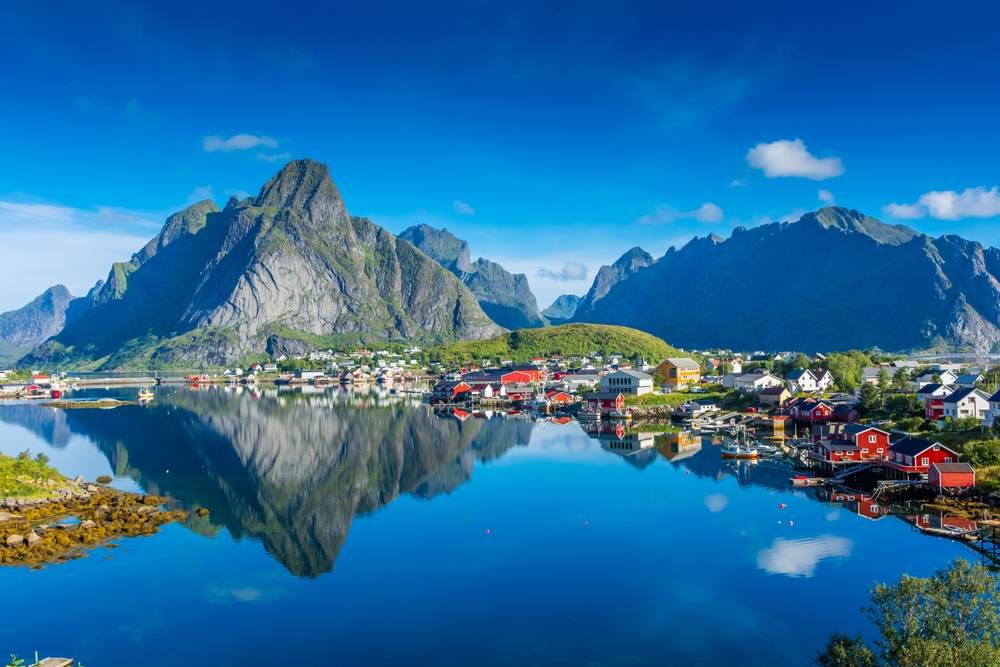
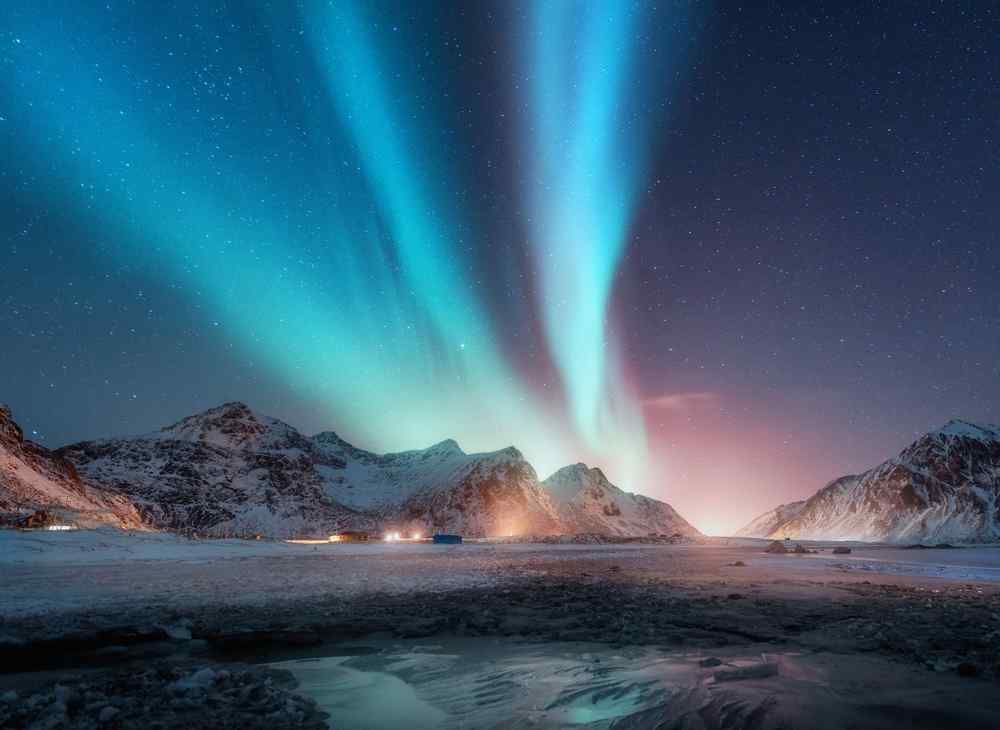
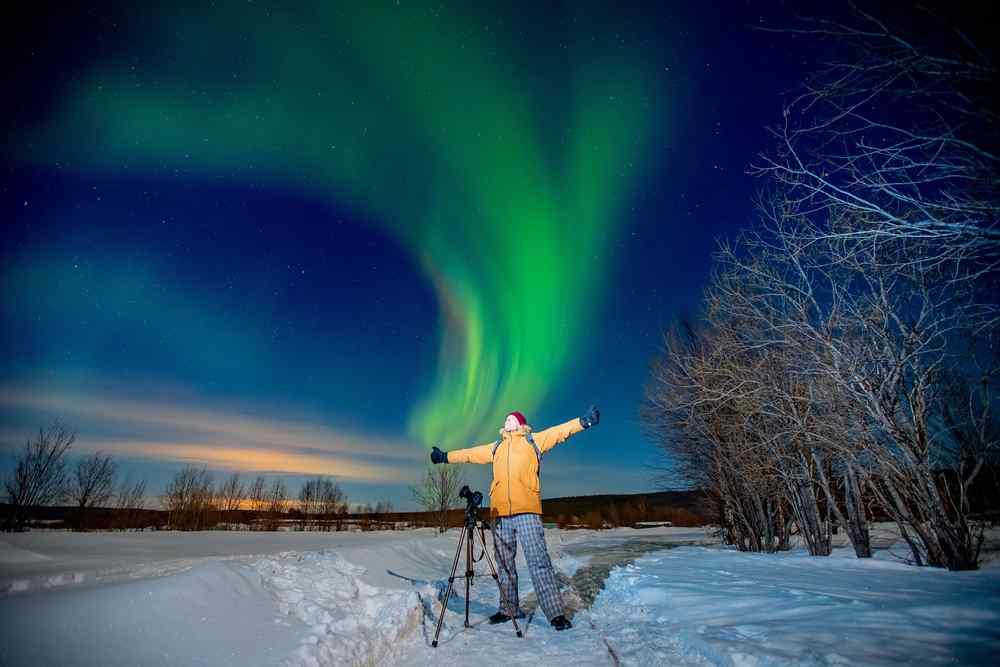
When it comes to the Lofoten Islands and the Northern Lights, it’s all about “location, location, location!” Sitting above the Arctic Circle, you’ll often see the Northern Lights directly overhead. Throw in the spectacular surrounding scenery filled with majestic mountain peaks, sandy beaches, and the sparkling waters of the fjords, and you’ve got a moment straight out of a Hallmark movie.
The Northern Lights usually make their appearance in Lofoten from late August to mid-April, with our dark winter months essentially premium viewing time. If that sounds like an experience worth having here in Norway, read on, and we’ll tell you all about (and we’ll throw in a few local secrets too!)
What are the Northern Lights?
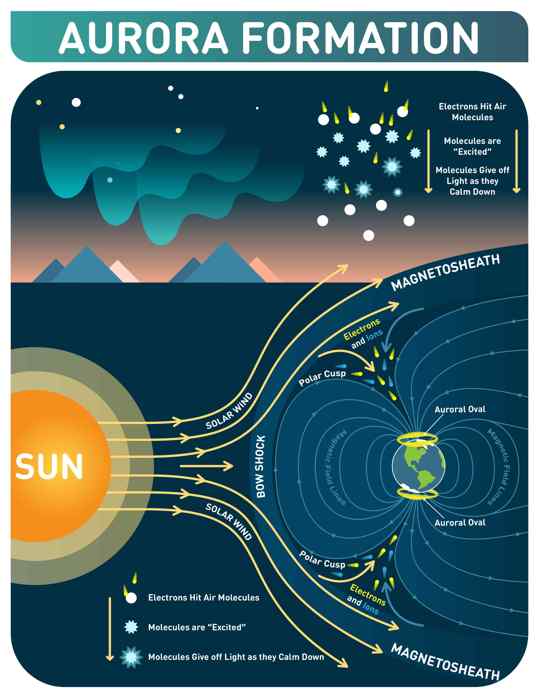
The Northern Lights, also known as the Aurora Borealis, are “upper-atmospheric light emissions caused when solar-wind charged particles follow Earth’s magnetic field lines and excite atmospheric gases, which then emit visible light.”
Now, to the rest of us who don’t lean towards being a Big Bang’s Sheldon Cooper, the Northern Lights is a 100% natural and totally free light show that appears in areas close to the North Pole, where bright neon-colored lights can be seen dancing across the sky.
The “why?” is simple if we don’t muddy it with all sorts of scientific jargon: the sun (as a huge fireball) is constantly sending particles into space, but sometimes, it feels like being a bit extra and sends even more, supercharged particles toward Earth. These particles are then guided by Earth’s magnetic field toward the North and the South Pole (think “beam me up, Scotty vibes).
Once these particles hit our atmosphere, they collide with the gas particles in our atmosphere (like nitrogen and oxygen). It’s this collision that creates the lights, and the fact that the lights seem to be dancing across the night sky is the constant battle between the solar wind (aka particles from the sun) and Earth’s magnetic shield. Typical color variations you’ll see during a Northern Lights display are red, green, pink, and purple.
Key Facts About Lofoten’s Northern Lights
The following are the basics you’ll need to know if you’re planning on chasing the Northern Lights in Lofoten:
- You can see the lights from late August to mid-April, but conditions need to be right. This means darkness, clear skies (so no cloud cover), steering clear of light pollution from cities and towns, and waiting till between 21:00 and 01:00, when the darkness, cold, and crisp air is most likely to get you a front-row ticket to the Northern Lights show.
- Due to Lofoten’s location so far north, the odds will always be better of seeing the Northern Lights here than anywhere that’s further south in Norway.
- To serve as additional motivation, we’re currently in the midst of a solar maximum phase. This occurs roughly every 11 years and is when the sun has the highest rate of solar activity. The current phase began in 2024 and will continue till 2027, giving you even more chances of spotting the Northern Lights when visiting the Lofoten Islands!
The Best Time to See the Northern Lights in Lofoten
As we already mentioned, the Northern Lights can be seen in Lofoten from late August to mid-April. However, you also need to take note of the following throughout this period:
- Late August to September – With fewer daylight hours and increased darkness, you already have a shot at spotting the lights.
- October to November – With winter essentially upon us, you’ll have longer nights with the winter cold nipping at your heels. Chances of seeing the Northern Lights are getting better by the day.
- December to February – NOW we’re talking primetime for a Northern Lights experience. Nights are at their longest, darkest, and coldest, and it truly is a magical experience to see the lights fluttering atop what can only be described as a winter wonderland.
- March to early April – This period has similar Northern Lights odds as late August to September. However, while you still have fair amounts of darkness, the balance between darkness and daylight has already begun to shift, and the weather has already begun making its way towards summer. This means that your odds diminish the closer you get to April.
Where, and How to See the Northern Lights
We already tackled the when, so let’s get into the where and how of seeing the Northern Lights in Lofoten:
Where to See the Northern Lights in the Lofoten Islands
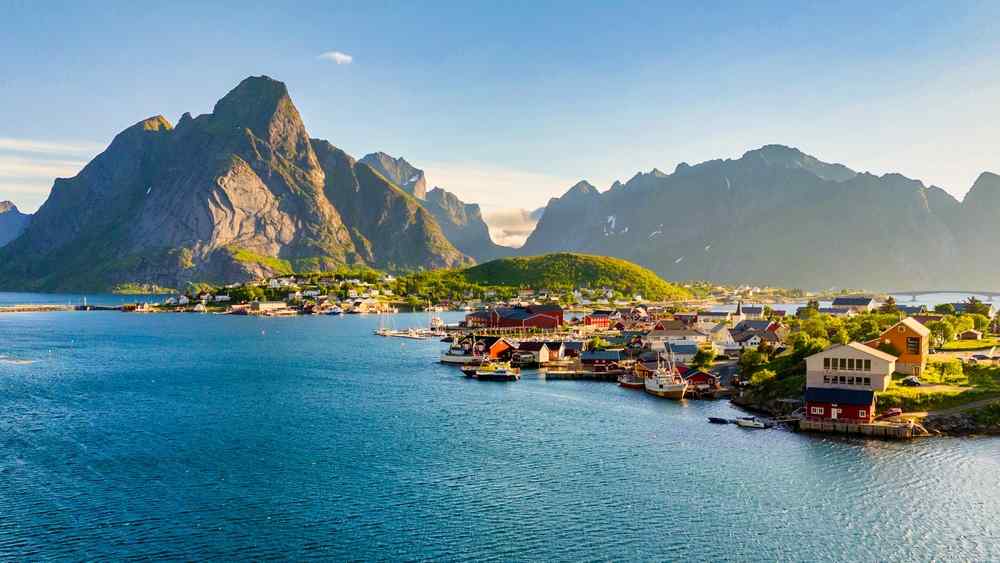
The following are some of the go-to places in the Lofoten Islands for spotting the Northern Lights:
- Reine
- Hamnoy
- Skagsanden Beach
- Uttakleiv Beach
- Haukland Beach
- Vik Beach
- Unstad Beach
How to See the Northern Lights in the Lofoten Islands
- You can book a spot on one of the Northern Lights guided tours. A few local recommendations are:
- Lofoten Lights Northern Lights Tours (they offer two options: Aurora Capture with Photographer and Private Northern Lights Chase).
- XXLofoten’s Northern Lights Tour with Photographer.
- Reine Rorbuer’s Northern Lights Small Group Tour – Lofoten.
- If you’d like to DIY your own Northern Lights hunting party, the following are the best ways to ensure a sighting:
- Keep an eye on the Lofoten Islands weather forecast, so you know if the weather will be in your favor.
- Keep an eye on any potential Northern Lights forecast alerts in Lofoten, so you’re ready to head out whenever adventure calls.
- Ask the locals! We are always happy to help.
Need More Reasons to Pick Lofoten?
Need more reasons to make the Lofoten Islands your Northern Lights experience destination? Check these out:
10 Reasons Lofoten is a Unique Northern Lights Destination
- You may think that being so far north equates to freezing weather conditions that may rival scenes from Antarctica. However, due to the Islands’ coastal climate, temperatures are much milder than expected, even in winter. You’re looking at a winter Northern Lights experience at just -2 degrees Celsius!
- Don’t let the maths of the Lofoten Island’s Northern Lights opportunities pass you by. Late August to mid-April is a staggering 8 MONTHS of possible Northern Lights sightings!
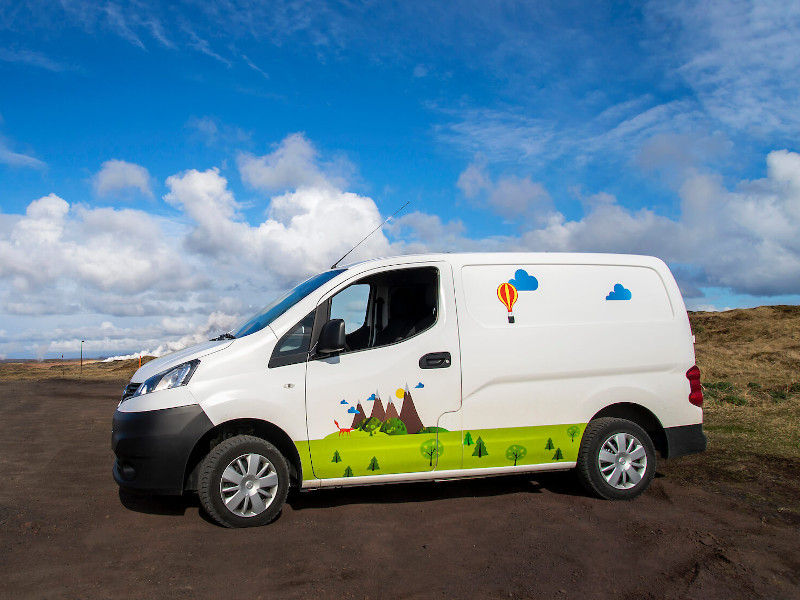
- Getting to the islands is easy. You can either fly in and kickstart your campervan adventure from Lofoten, or, if you’re already cruising around the country in your camper, you can take the ferry across to the Lofoten Islands.
- Don’t be surprised if you catch a glimpse of the Northern Lights from the window of your accommodation or camper where it’s parked. Unlike many other parts of Norway, spotting the Northern Lights might not be quite the intensive endeavour you thought it would be.
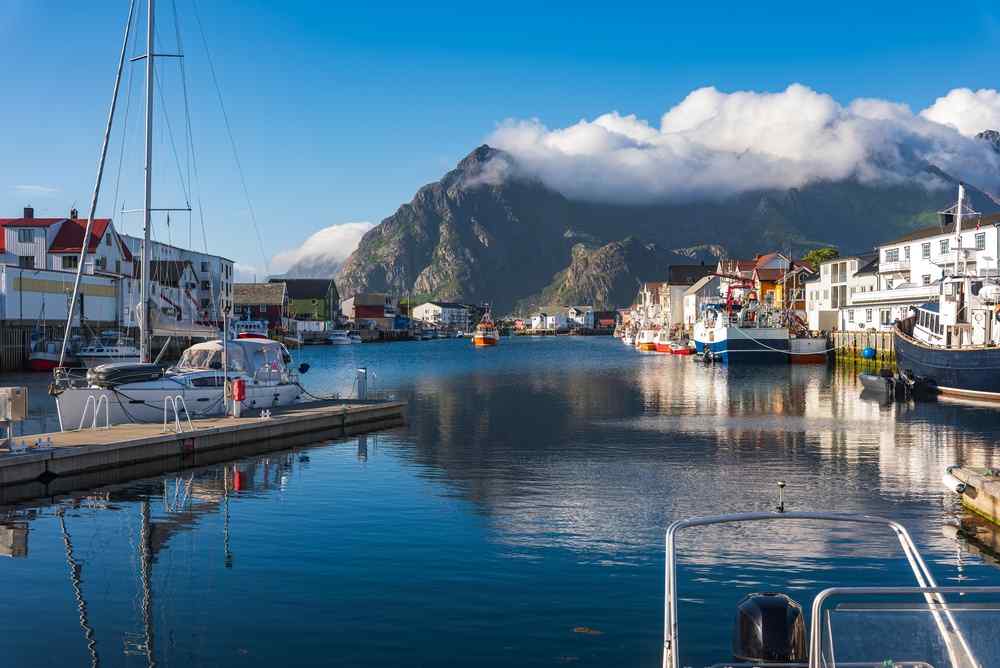
- Spotting the Northern Lights in the Lofoten Islands is the ultimate combo of natural phenomena and natural wonders with its breathtaking fjords, majestic mountains, beautiful lakes, sandy beaches, and quaint fishing villages.
- Seeing the Northern Lights is not the only outdoor activity waiting for you here in Lofoten. We’ve got everything from hiking and skiing to fishing, kayaking, and even surfing!
- Wanna have a Northern Lights experience on a world-class but isolated beach? Then the beaches in Lofotodden National Park are calling your name!
- Consider hiking and camping in the surrounding mountains. Not only does it offer remote areas with less light pollution, but it also offers a unique vantage point to watch the Northern Lights.
- Navigating the Lofoten Islands in your camper is super easy. Seriously, it will actually be impressive if you get lost since the options when traveling in Lofoten are essentially to either drive east or west on the E10.
- Although inhabited, the Lofoten Islands have a population of only 25,000 people who are spread out across numerous smaller towns and villages (mostly in the central and southern parts). This not only means that light pollution is far less than in the larger towns and cities, but the northern regions have very little light pollution to interfere with your Northern Lights spotting.
Tips for Photographing the Northern Lights
Fancy yourself a bit of a photography fundi? Or perhaps this will be your first rodeo, and you’d just like to give it a go? Then the following Northern Lights photography tips will be very helpful:
- Unless you can give those street performers that turn themselves into statues a good go, a tripod is an absolute must if you want your photos to be taken by a “steady hand” (and remember, a Northern Lights shoot can also be pretty long!).
- Bring plenty of backup for your battery power. What many people don’t know is that batteries drain much faster in colder weather. So, if you don’t want to run out of juice before even beginning your shoot, you’d better come prepared.
- Wipe the camera lens every now and again to ensure that it’s clear of any condensation.
- Always set the focus manually since autofocus can often turn out disastrous in the dark.
- Ensure your camera setup is as follows:
- Wide-angle lens.
- Fast aperture (less than 4.0 if possible, ideally around 2.8).
- ISO at 800 (if it’s exceptionally dark, you can raise the ISO to 1600).
- Exposure at 30 seconds.
Frequently Asked Questions About the Northern Lights
Below are the answers to some of the most frequently asked questions we receive about the Northern Lights in Lofoten:
Is There an Aurora Forecast for Norway and Lofoten?
Yes, there are numerous Aurora forecast options when visiting Lofoten. These include:
What Months Can You See the Northern Lights in Lofoten?
You can spot the Northern Lights in Lofoten from late August to mid-April.
At What Time Can You See the Northern Lights?
The Northern Lights is not a scheduled show, so you’ll never be guaranteed a specific time. However, recommendations are to keep your eyes peeled between 21:00 and 01:00.
Can You See the Northern Lights from Town?
Yes, in Lofoten it’s quite possible for you to spot the Northern Lights, even from out your window! Just keep in mind that light pollution will play a part in the quality of the show you get.